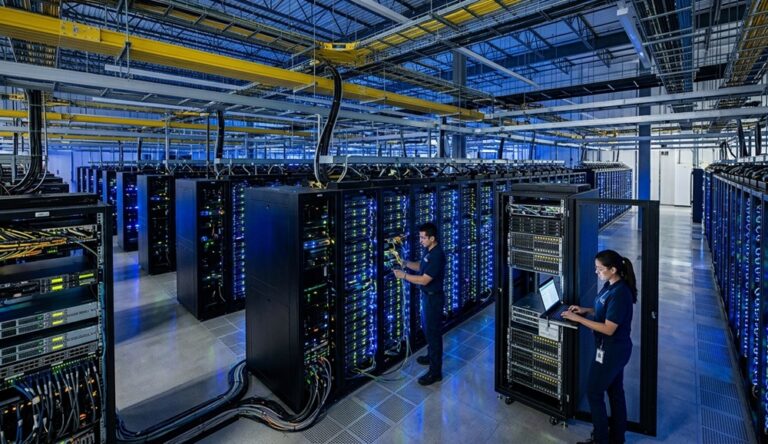
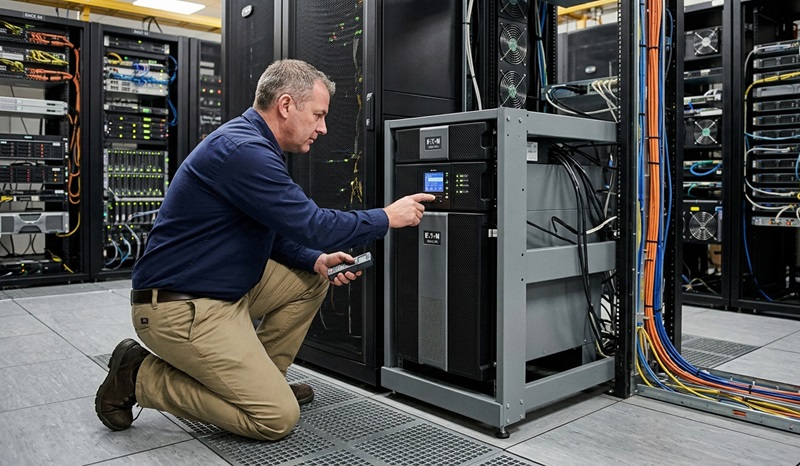
In today’s fast-moving digital world, even a few seconds of power failure can lead to data loss, system downtime, and financial impact. Whether it’s a business, hospital, data center, or home office, having a reliable UPS (Uninterruptible Power Supply) system is no longer optional. It is a critical part of ensuring continuous operations and protecting sensitive equipment.
A UPS system acts as a backup power source that instantly takes over when the main electricity supply fails. This seamless transition helps keep systems running without interruption.
What is a UPS System?
A UPS (Uninterruptible Power Supply) is an electrical device that provides emergency power when the main power source fails. It also protects devices from voltage fluctuations, surges, and spikes.
Unlike a generator, which takes time to start, a UPS provides instant power backup, ensuring there is no downtime even for a second.
Why Reliable UPS Systems Matter
Not all UPS systems are created equal. A reliable UPS system ensures consistent performance, longer equipment life, and stable output power.
Here are the key reasons reliability is important:
- Prevents sudden shutdowns of critical systems
- Protects data from corruption or loss
- Maintains uptime for servers and networks
- Reduces hardware damage caused by power fluctuations
- Ensures smooth business operations during outages
For industries like healthcare, banking, IT services, and manufacturing, reliability is essential, not optional.
How UPS Systems Work
A UPS system typically includes a battery, inverter, and rectifier. When power is available, it charges the battery and supplies electricity to connected devices. When power fails, it switches instantly to battery mode.
The process happens so quickly that connected systems do not experience interruption.
Basic Operation Flow:
- Main power is active → UPS charges battery and powers devices
- Power failure occurs → UPS instantly switches to battery
- Battery supplies power → systems continue running smoothly
- Power returns → UPS switches back and recharges
Types of UPS Systems
Different environments require different UPS solutions. The three main types include:
1. Offline (Standby) UPS
This is the most basic type. It provides backup power during outages and is commonly used for home PCs and small setups.
2. Line-Interactive UPS
This type offers better voltage regulation and is suitable for small businesses and network equipment.
3. Online (Double Conversion) UPS
This is the most advanced and reliable type. It provides continuous power conditioning and is ideal for data centers, hospitals, and critical infrastructure.
Benefits of Reliable UPS Systems
Investing in a high-quality UPS system brings several long-term advantages:
1. Continuous Business Operations
Even during power failures, systems keep running smoothly without interruption.
2. Data Protection
Prevents unexpected shutdowns that can corrupt files or databases.
3. Equipment Safety
Protects hardware from voltage spikes and unstable power supply.
4. Improved Productivity
Employees can continue working without disruption.
5. Cost Savings
Reduces losses caused by downtime and hardware damage.
Applications of UPS Systems
UPS systems are widely used across many industries:
- IT and data centers for server protection
- Hospitals for life-saving medical equipment
- Banks for secure transaction systems
- Manufacturing plants for automated machinery
- Homes and offices for computers and routers
Any environment that depends on continuous electricity can benefit from UPS protection.
Choosing the Right UPS System
When selecting a UPS system, consider the following factors:
- Power capacity (load requirements)
- Battery backup time
- Type of equipment being protected
- Scalability for future expansion
- Efficiency and energy consumption
- Maintenance and support availability
Choosing the right system ensures maximum reliability and long-term value.
Final Thoughts
Reliable UPS systems are a critical investment for any setup that depends on uninterrupted power. They protect equipment, prevent downtime, and ensure smooth operations during unexpected outages.
As technology continues to advance, the demand for stable and uninterrupted power will only grow. A dependable UPS system is one of the most effective ways to stay prepared and keep operations running without disruption.