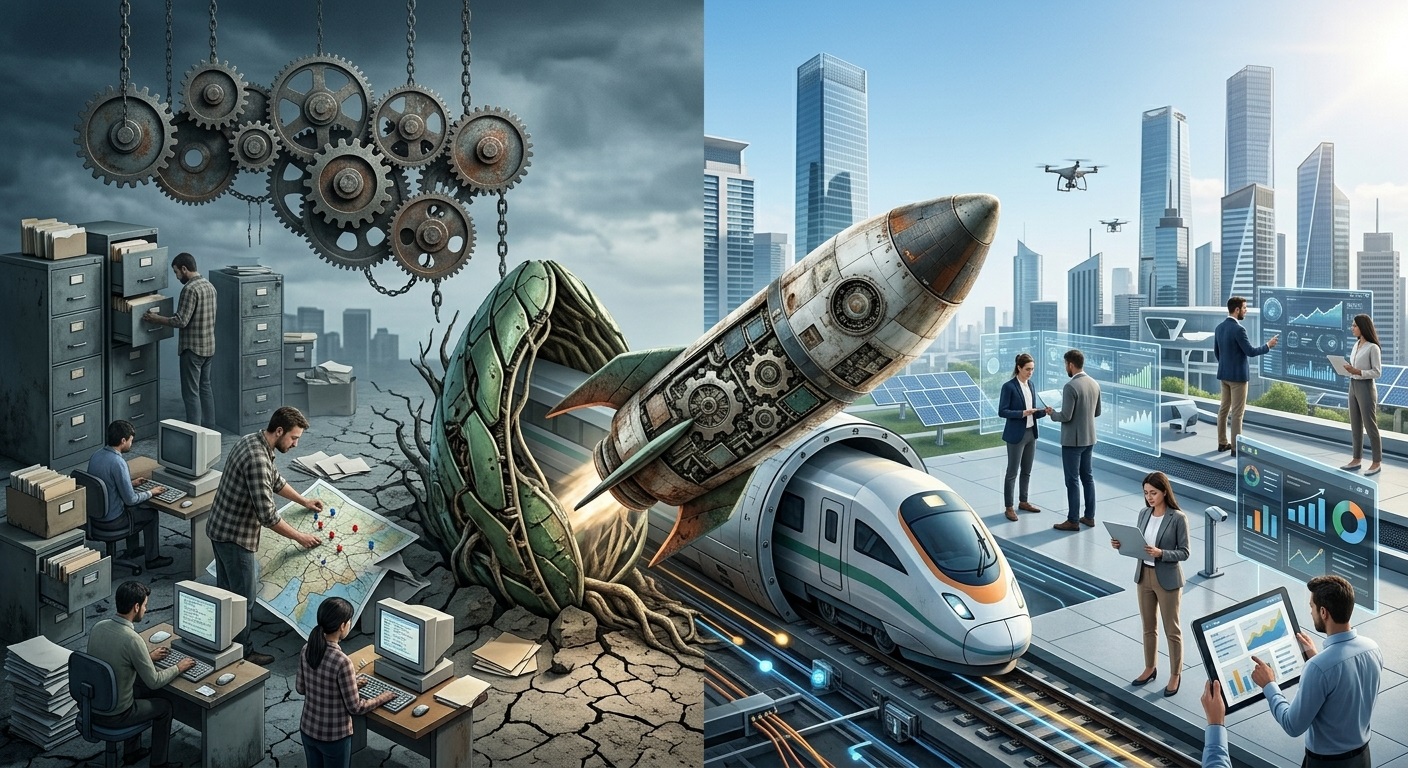
Digital transformation is no longer just a trend. It has become a core requirement for businesses that want to stay competitive, improve efficiency, and meet modern customer expectations. At the center of this shift is custom software, which gives organizations the flexibility to build systems tailored exactly to their needs instead of relying on one-size-fits-all tools.
What Digital Transformation Really Means
Digital transformation is the process of using technology to improve business operations, customer experiences, and decision-making. It is not just about moving from paper to digital tools. It involves rethinking how a business works and using technology to make those processes faster, smarter, and more scalable.
This can include automation, cloud adoption, data analytics, AI integration, and modern application development.
Why Off-the-Shelf Software Often Falls Short
Many businesses start with ready-made software because it is quick to implement and usually cheaper upfront. However, as companies grow, limitations start to appear:
- Lack of flexibility to match unique workflows
- Integration issues with existing systems
- Limited scalability as business needs expand
- Unnecessary features that slow down operations
- Security and compliance restrictions in shared platforms
These challenges often slow down growth instead of supporting it.
The Role of Custom Software in Digital Transformation
Custom software is designed specifically for a business’s processes, goals, and users. This makes it a powerful driver of digital transformation because it adapts to the business instead of forcing the business to adapt to it.
Here’s how it creates real impact:
1. Aligns Perfectly with Business Processes
Every organization works differently. Custom software is built around those unique workflows, which reduces friction and improves productivity. Employees don’t have to adjust their work to fit the tool; the tool fits their work.
2. Improves Efficiency Through Automation
Repetitive manual tasks slow down teams and increase the chance of errors. Custom systems can automate processes like reporting, data entry, approvals, and customer management, freeing up time for more strategic work.
3. Enhances Data-Driven Decision Making
Custom platforms can be built with advanced analytics dashboards that provide real-time insights. Businesses can track performance, identify trends, and make informed decisions faster.
4. Scales with Business Growth
As companies expand, their systems need to keep up. Custom software can be designed with scalability in mind, allowing new features, users, and integrations to be added without disrupting operations.
5. Strengthens Security and Compliance
Unlike shared platforms, custom solutions can be built with specific security protocols tailored to industry requirements. This is especially important for sectors like finance, healthcare, and e-commerce.
6. Integrates Seamlessly with Existing Systems
Most businesses already use multiple tools. Custom software can connect these systems into a unified ecosystem, reducing data silos and improving workflow efficiency.
Real-World Example of Transformation
Consider a logistics company managing deliveries using spreadsheets and separate tracking tools. This leads to delays, errors, and poor visibility.
By implementing custom software, the company can:
- Track shipments in real time
- Automate dispatch scheduling
- Provide customers with live updates
- Optimize delivery routes using data
- Generate automated reports for performance tracking
The result is faster operations, lower costs, and better customer satisfaction.
Challenges to Keep in Mind
While custom software offers many advantages, it also comes with responsibilities:
- Higher initial development cost
- Longer planning and development time
- Need for ongoing maintenance and updates
- Requirement of skilled development partners
However, these are often outweighed by long-term benefits when the solution is well-designed.
The Future of Digital Transformation with Custom Software
The future is moving toward intelligent, connected systems powered by AI, cloud computing, and automation. Custom software will play a central role in this evolution by enabling businesses to build exactly what they need instead of relying on generic solutions.
We will see more personalized customer experiences, smarter workflows, and fully integrated digital ecosystems.
Final Thoughts
Custom software is not just a technical upgrade. It is a strategic investment in how a business operates and grows. By aligning technology with specific business needs, companies can unlock higher efficiency, better decision-making, and sustainable digital transformation.
Businesses that invest in tailored solutions today will be better prepared for the demands of tomorrow.