Modern businesses depend heavily on digital systems, cloud platforms, and real-time data processing. Behind all of this lies a powerful foundation: data centers. As organizations scale and adopt cloud computing, the demand for advanced data center solutions continues to grow rapidly.
Data center solutions are no longer just about storing servers. They now represent a complete ecosystem designed to support cloud computing, enterprise applications, edge workloads, and high-performance IT environments.
What Are Data Center Solutions?
Data center solutions refer to the infrastructure, hardware, software, and services that support the storage, processing, and management of data.
These solutions typically include:
- Server infrastructure
- Storage systems
- Networking equipment
- Virtualization platforms
- Cooling and power management systems
- Security and monitoring tools
Together, these components ensure reliable, secure, and efficient IT operations.
Role of Data Centers in Cloud and Enterprise IT
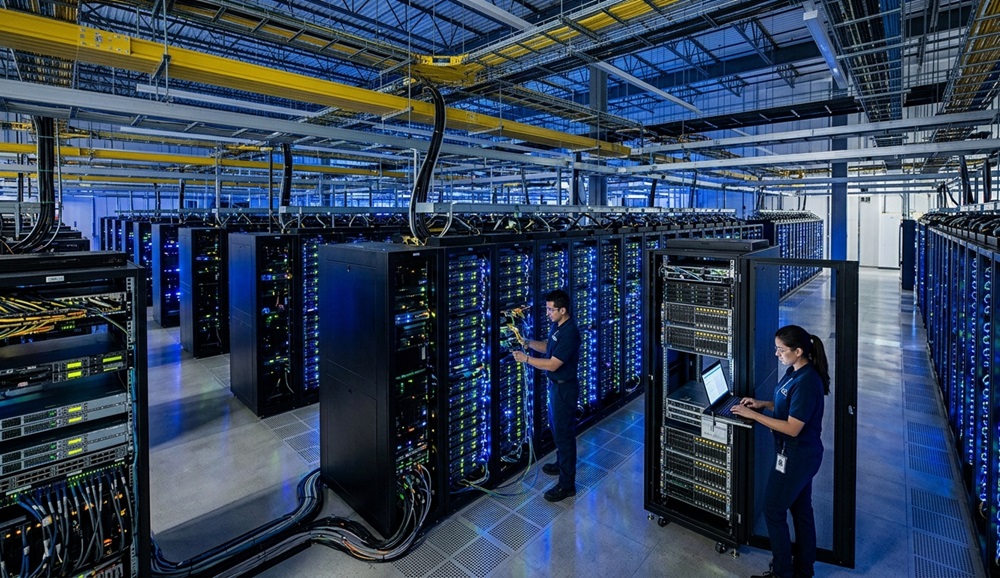
Data centers are the backbone of both cloud computing and enterprise IT systems. They enable organizations to run applications, store data, and deliver digital services at scale.
In Cloud Computing
Data centers power cloud platforms by hosting virtual machines, containers, and distributed applications. This allows businesses to access computing resources on demand without investing in physical infrastructure.
In Enterprise IT
For large organizations, data centers support internal systems such as ERP, CRM, databases, and communication tools. They ensure high availability and performance for mission-critical operations.
Key Components of Modern Data Center Solutions
1. Compute Infrastructure
This includes high-performance servers that process workloads ranging from simple applications to complex AI models.
2. Storage Systems
Modern data centers use scalable storage solutions such as SAN, NAS, and cloud storage systems to manage large volumes of data efficiently.
3. Networking Architecture
Fast and reliable networking ensures smooth communication between servers, storage systems, and end users.
4. Virtualization and Cloud Integration
Virtualization allows multiple systems to run on a single physical server, improving efficiency and reducing costs.
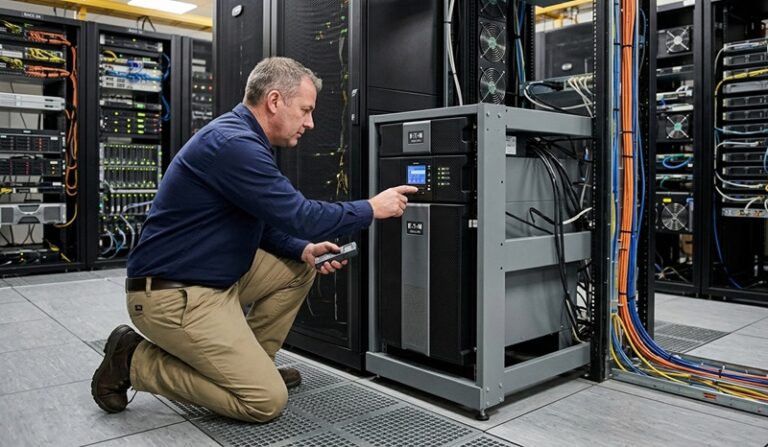
5. Power and Cooling Systems
Reliable power supply and advanced cooling systems are essential to maintain uptime and prevent hardware failure.
6. Security Systems
Data centers implement physical and cyber security measures, including firewalls, encryption, access control, and surveillance.
Benefits of Advanced Data Center Solutions
Modern data center solutions offer several advantages for businesses:
High Scalability
Organizations can easily scale resources up or down based on demand without major infrastructure changes.
Improved Performance
Optimized hardware and network architecture ensure faster processing and reduced latency.
Enhanced Reliability
Redundant systems and backup mechanisms ensure continuous uptime and minimal downtime.
Better Data Management
Centralized systems allow efficient storage, backup, and recovery of critical data.
Cost Efficiency
Cloud-enabled data centers reduce the need for expensive on-premise infrastructure.
Cloud, Edge, and Hybrid Environments
Today’s IT environments are not limited to traditional data centers. Businesses now use a combination of:
Cloud Data Centers
Used for flexible, scalable, and remote computing services.
Edge Data Centers
Located closer to users to reduce latency and improve real-time performance.
Hybrid Infrastructure
A combination of on-premise, cloud, and edge systems for maximum flexibility and control.
Challenges in Data Center Management
While data center solutions provide many benefits, they also come with challenges:
- High energy consumption
- Complex infrastructure management
- Security threats and cyberattacks
- Increasing data storage demands
- Need for continuous upgrades
Addressing these challenges requires modern design, automation, and strong IT strategy.
Future of Data Center Solutions
The future of data centers is driven by automation, AI, and sustainability. Key trends include:
- AI-driven infrastructure management
- Green and energy-efficient data centers
- Edge computing expansion
- Increased cloud-native architectures
- Greater use of automation and orchestration tools
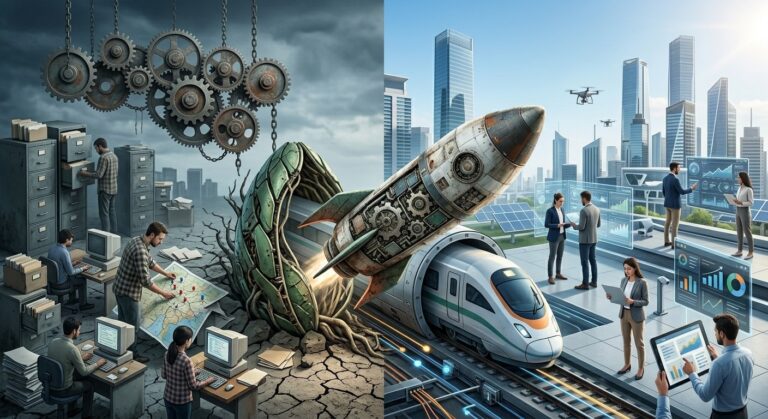
These innovations will make data centers faster, smarter, and more efficient.
Final Thoughts
Data center solutions are the foundation of modern digital infrastructure. From cloud computing to enterprise IT systems, they ensure that businesses stay connected, scalable, and secure.
As technology continues to evolve, organizations that invest in advanced data center solutions will be better positioned to handle growth, improve performance, and stay competitive in a data-driven world.